
There’s something quietly magical about waking up with no fixed plan, just a van, an open road, and the nagging feeling that today might be the day you find that perfect hidden lake. Campervan travel already feels like cheating the system. You answer to nobody, stop wherever you want, and can completely change your plans based on a good tip from a stranger at a petrol station. Add a kayak to the mix, and suddenly you’re not just passing through landscapes. You’re inside them.
The first question most people ask is: where does the kayak even go? It’s a fair concern. Van space is precious, and nobody wants to sacrifice their coffee corner for a giant fiberglass hull. That’s exactly why so many van-lifers swear by a folding kayak. It packs down into a bag, tucks neatly behind a seat or under a bed, and assembles in minutes without needing roof racks or a second pair of hands. Inflatables are another option, though if you’ve ever tried paddling one into a headwind, you’ll understand why the folding version tends to win. Hard shell kayaks do exist in the van life world too, usually strapped to the roof, but they come with their own set of challenges we’ll get to shortly.
Choosing the Right Setup for Your Van
Before anything else, be honest about how much space you actually have and how often you realistically plan to paddle. If kayaking is the whole point of your trip, invest in a proper setup. If it’s more of an occasional bonus, a packable option makes far more sense than reorganizing your entire van around a rigid hull.
For roof-mounted hard shells, you’ll need solid roof bars rated for the weight, quality cam straps, and bow and stern lines to prevent any movement at speed. It sounds like overkill until you see what happens when a kayak shifts on a motorway. Check the straps every couple of hours on longer drives. Vibration and wind work against you more than most people expect, and what felt tight at the start of the day can loosen considerably by lunchtime.
For packable options, the tradeoff is assembly time. Most folding and inflatable kayaks take between 10 and 20 minutes to put together. That’s fine if you’re planning a proper paddle session. It gets frustrating if you’re constantly setting up and breaking down for short spontaneous dips. Find a system that suits your rhythm and stick to it.
Route Planning: Let the Water Lead
Forget planning your route around towns and fuel stops. Start with water instead. Use apps like Gaia GPS or even Google Maps satellite view to spot lakes, rivers, and quiet coastal inlets you’d never find from the highway. The best spots are rarely signposted, and that’s often exactly what makes them worth finding.
Try to park close to your launch point, because hauling a kayak across a rocky beach gets old fast. It’s also worth spending five minutes checking local regulations before you set up camp. Some areas restrict overnight parking or have seasonal rules around water access. A quick search saves a lot of awkward conversations with park rangers and, occasionally, a fine.
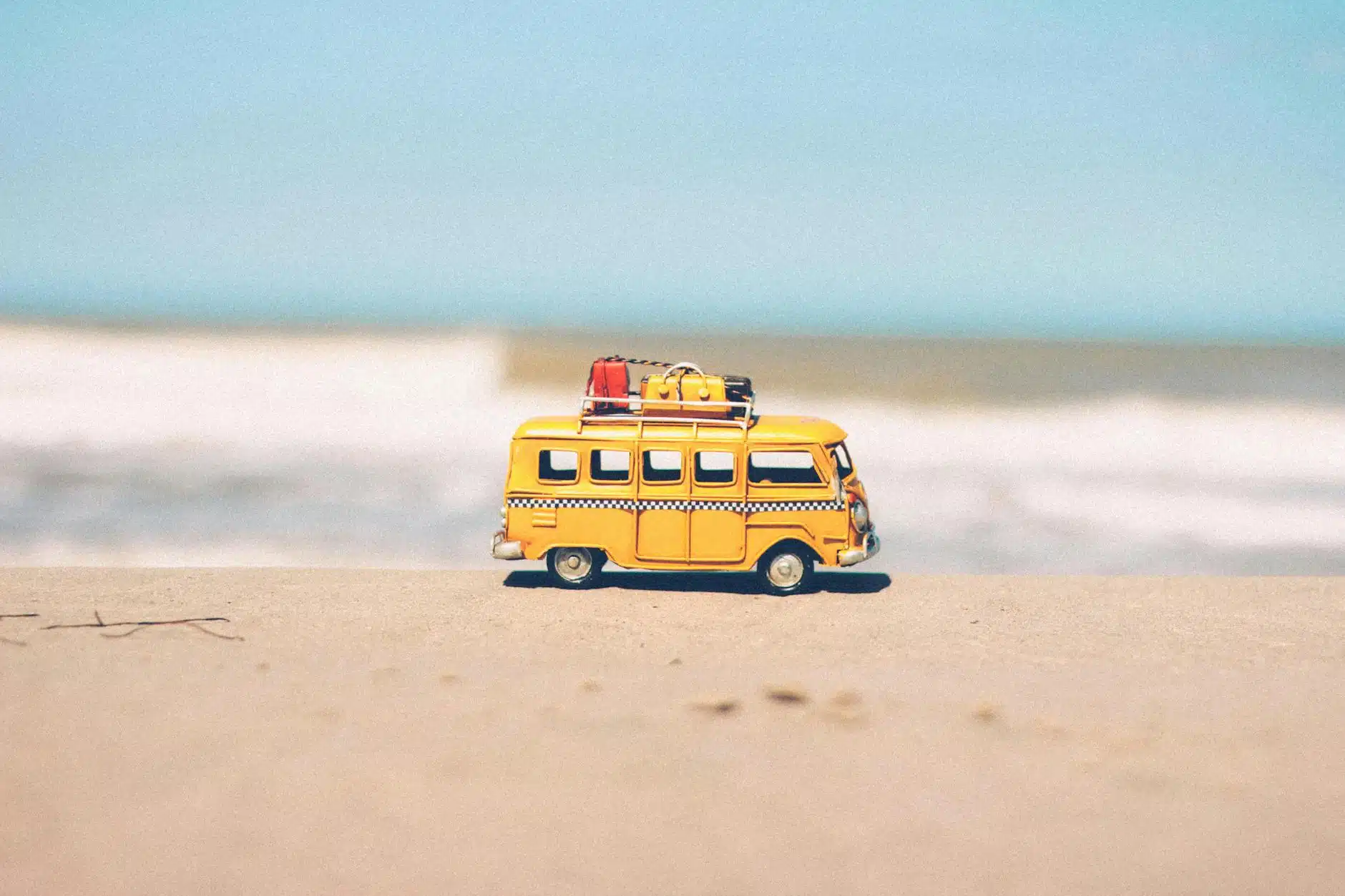
Don’t be too rigid with your plans either. Some of the best paddling spots are discovered completely by accident, a glint of water through the trees, a hand-painted sign on a country lane, a local who mentions a reservoir just off the main road. Leave room for those moments. They’re usually the ones you remember longest.
Storage That Doesn’t Drive You Insane
If you’re doing this long-term, smart storage isn’t optional. It’s survival. Wet gear has a way of taking over a small van within about 48 hours if you let it. Keep a dedicated “wet zone” near the door: a foldable crate, a few dry bags, and a small towel hanging hook. Rinse your gear after every paddle, let it dry before packing it away, and you’ll avoid the damp, vaguely fishy smell that haunts the vans of the unprepared.
Paddles are the awkward item nobody talks about. Breakdown paddles that split into four sections are a game-changer for small spaces, much easier to stow than a standard two-piece. Store them along the side wall or under a bed frame if possible, somewhere they won’t roll around and knock things over every time you corner.
Dry bags are worth every penny. Use different colors for different categories: one for clothing, one for electronics, one for snacks and small kit. It sounds overly organized until you’re digging through a soaking pile of gear in the rain trying to find your car keys.
Safety Doesn’t Have to Be Boring
On the water, the basics genuinely matter. Wear your life jacket every time, not just when conditions look rough. Check the weather before you launch, not after. Tell someone your rough plan if you’re heading somewhere remote, even a quick message with your location and expected return time is enough.
Novice paddlers are often tempted to go further than they should on a calm day. Calm doesn’t mean safe. Weather can shift quickly, fatigue sets in faster than expected on the water, and distances always look shorter from the shore than they are in practice. Stick close to land until you know the water and trust your own stamina.
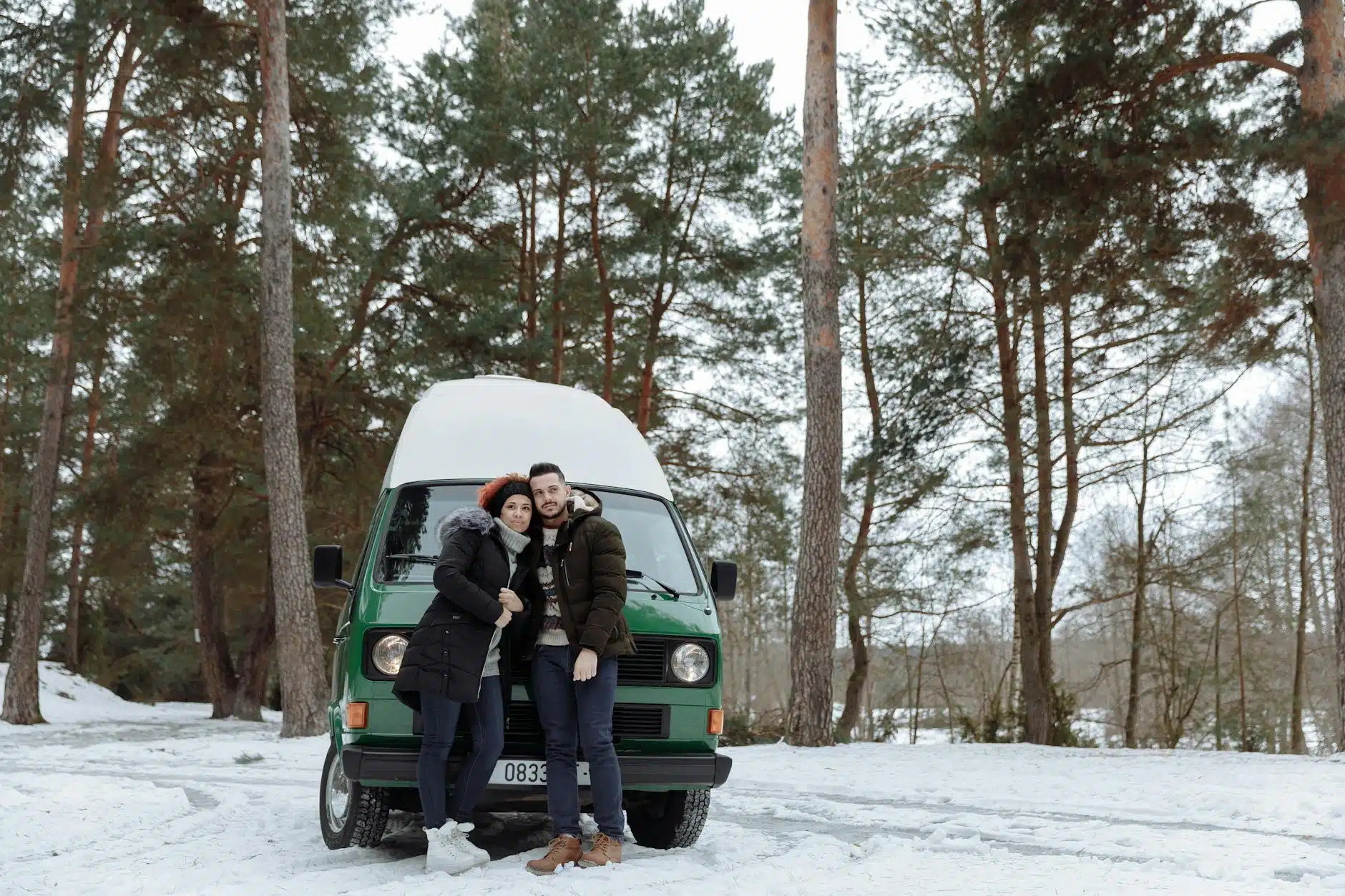
On the road, beyond the strap checks mentioned earlier, be aware of height restrictions if your kayak is roof-mounted. Car parks, low bridges, and drive-throughs have ended many a kayak trip prematurely.
The Everyday Rhythm of Van Life with a Kayak
One thing that surprises people about this lifestyle is how quickly a routine develops. You wake up, make coffee, check the weather and the map, decide whether today is a paddling day or a driving day, and go from there. It sounds simple because it is, and that simplicity is the whole point.
Not every day needs to involve water. Some days you drive further than planned and arrive somewhere unexpected. Some days you park up early and do nothing except read and watch the light change on a lake you stumbled across. The kayak is always there when you want it, and that optionality changes how relaxed you feel about the whole trip.
The Actual Point of All This
A kayak changes how you see a place. You find the quiet cove that the road never reaches. You spend a slow morning on flat water while the rest of the world is stuck in traffic. You eat dinner with wet hair and zero regrets.
The logistics are genuinely solvable with a bit of planning upfront. The right kayak, a sensible storage system, and some basic safety habits are all it takes. Everything else you figure out as you go, which, when you think about it, is exactly the spirit of van life in the first place.
0 Comments